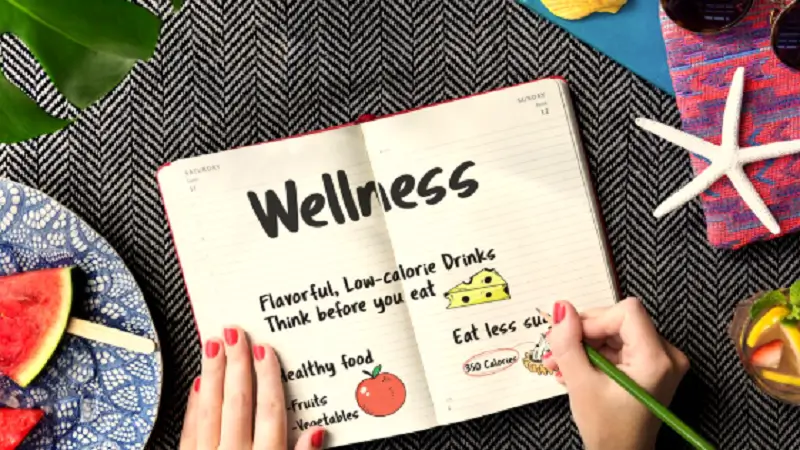
Taking care of your health involves more than responding to illness when something goes wrong. Everyday choices related to nutrition, physical activity, sleep, stress management, hygiene, and preventive care can all contribute to better overall wellness. A reliable health guide can make these subjects easier to understand by presenting useful information simply and practically.
The JalbiteHealth Guide represents an approach to learning about health and wellness through accessible information. From healthy lifestyle habits to nutrition and general wellness, health guides can help readers understand important topics and make more informed everyday choices.
Health information should always be considered carefully. Individual needs can vary depending on age, lifestyle, existing conditions, medications, and other personal factors. For medical concerns, professional healthcare advice remains important.
What Is the JalbiteHealth Guide?
The JalbiteHealth Guide can be viewed as a practical resource for people interested in improving their understanding of health and wellness.
Health information can sometimes feel complicated because medical terminology and scientific explanations are not always easy to understand. A good guide can make these subjects more approachable by explaining important concepts in straightforward language.
Rather than focusing on one area of wellness, a broad health guide can cover different aspects of healthy living. This may include nutrition, exercise, sleep, hydration, stress management, personal care, and preventive health.
Why Health Education Matters
Health education gives people the knowledge they need to make better decisions about their daily routines. Understanding basic health principles can help individuals recognize the importance of balanced nutrition, regular movement, sufficient sleep, and appropriate medical care.
Education can also help people become more aware of common health risks. When readers understand how lifestyle habits affect the body, they may be more motivated to develop healthier routines.
However, online information should complement professional medical advice rather than replace it. A health guide can provide general education, while doctors and other qualified healthcare professionals can provide advice based on an individual’s circumstances.
Nutrition and Healthy Eating
Nutrition is one of the most important parts of overall wellness. The body needs a variety of nutrients to support energy, growth, immune function, and normal daily activities.
A balanced eating pattern can include vegetables, fruits, whole grains, protein sources, and healthy fats. Drinking enough fluids is also an important part of maintaining normal body functions.
Healthy eating does not necessarily mean following an extremely restrictive diet. Sustainable habits are often easier to maintain when meals include a reasonable variety of nutritious foods.
Understanding Portion Sizes
Food quality is important, but portion size can also influence overall nutrition.
Eating very large portions regularly may provide more calories than the body needs. Learning to recognize reasonable serving sizes can help people develop a better relationship with food.
Portion needs vary between individuals. Activity level, age, body size, and personal nutritional requirements can all influence how much food someone needs.
The Importance of Physical Activity
Regular physical activity supports many aspects of health. Exercise can help maintain strength, mobility, cardiovascular fitness, and overall physical function.
People do not necessarily need an intense workout every day to become more active. Walking, cycling, swimming, stretching, recreational sports, and other enjoyable activities can contribute to a more active lifestyle.
The most useful exercise routine is often one that a person can maintain consistently.
Building an Exercise Routine
Starting with realistic goals can make physical activity easier to maintain.
Someone inactive for a long time may benefit from beginning with shorter sessions and gradually increasing activity. Setting achievable goals can reduce frustration and make progress easier to recognize.
It is also important to pay attention to the body’s response to exercise. Persistent pain, severe symptoms, or other concerning changes should be discussed with a qualified healthcare professional.
Sleep and Overall Wellness
Sleep is another important part of a healthy lifestyle. During sleep, the body and brain carry out important processes that support normal functioning.
Adults often benefit from maintaining a consistent sleep schedule and creating a comfortable sleeping environment. Limiting unnecessary distractions before bedtime may also make it easier to establish a relaxing nighttime routine.
Poor sleep can affect concentration, mood, energy, and daily performance. Persistent sleep problems should be discussed with a healthcare professional.
Managing Everyday Stress
Stress is a normal part of life, but ongoing stress can affect overall well-being.
Healthy stress management can include physical activity, adequate sleep, social connections, hobbies, relaxation techniques, and taking appropriate breaks from demanding activities.
Different strategies work for different people. The goal is not necessarily to eliminate every source of stress but to develop healthier ways of responding to everyday challenges.
Hydration and Daily Habits
Water is essential for normal body functions. Daily fluid requirements can vary based on factors such as activity level, weather, diet, and individual circumstances.
Keeping water available throughout the day can make regular hydration easier. People who exercise or spend time in hot environments may have different fluid needs.
Instead of focusing only on a specific number, focus on general hydration needs and follow professional guidance when necessary.
Preventive Health and Regular Checkups
Preventive healthcare focuses on identifying potential health concerns before they become more serious.
Regular medical appointments can provide opportunities to discuss symptoms, risk factors, lifestyle habits, and appropriate screenings. Recommended checkups vary depending on age, sex, family history, and individual health circumstances.
Preventive care can also include vaccinations, dental care, vision care, and other appropriate health services.
Mental Wellness Matters Too
Health is not limited to physical well-being. Mental and emotional wellness are also important parts of a balanced lifestyle.
Maintaining supportive relationships, getting enough rest, participating in enjoyable activities, and finding healthy ways to manage stress can support emotional well-being.
Anyone experiencing persistent emotional distress or significant mood changes should consider speaking with a qualified mental health professional.
Creating Sustainable Healthy Habits
One of the biggest challenges in wellness is maintaining healthy habits over the long term.
Extreme changes can sometimes be difficult to continue. Smaller improvements may be easier to incorporate into everyday life. For example, someone might begin by adding more vegetables to meals, walking regularly, improving their sleep schedule, or reducing highly processed foods.
Consistency is often more useful than trying to achieve perfection.
Why Reliable Health Information Is Important
The internet provides access to an enormous amount of health information, but not every source is accurate.
Readers should be careful with claims involving supplements, treatments, rapid weight loss, or guaranteed health results. Information should ideally come from trustworthy medical or scientific sources.
When a health topic involves symptoms, diagnosis, medication, or treatment decisions, professional medical advice should take priority over general online information.
Using a Health Guide Responsibly
A health guide can be a useful starting point for learning. Readers can use general information to understand basic concepts and prepare questions for their healthcare providers.
It is important to remember that general advice cannot account for every person’s individual circumstances. A recommendation that works well for one person may not be appropriate for another.
Responsible health education therefore combines general knowledge with personalized professional guidance when necessary.
Simple Ways to Improve Everyday Wellness
Healthy living does not have to be complicated. Small changes can gradually create meaningful improvements in daily routines.
Some practical habits include:
- Eat a varied and balanced diet.
- Stay physically active.
- Maintain a consistent sleep routine.
- Drink enough fluids.
- Make time for relaxation.
- Maintain supportive social connections.
- Attend appropriate health checkups.
- Avoid harmful lifestyle habits.
- Learn from reliable health sources.
- Seek professional advice when health concerns arise.
The best approach is to choose realistic habits that can become part of everyday life.
Frequently Asked Questions
What is the JalbiteHealth Guide?
The JalbiteHealth Guide is a health and wellness-focused concept that can help readers explore topics related to nutrition, physical activity, sleep, stress management, preventive care, and healthy living.
Why is health education important?
Health education helps people understand basic wellness principles and make more informed decisions about their everyday habits.
Can a health guide replace a doctor?
No. General health information should not replace personalized medical advice, diagnosis, or treatment from a qualified healthcare professional.
What are some basic healthy habits?
Eating a balanced diet, staying active, getting adequate sleep, maintaining hydration, managing stress, and receiving appropriate preventive care are common foundations of healthy living.
How can someone start living healthier?
Start with realistic changes that can be maintained over time. Small improvements to diet, physical activity, sleep, and stress management can be easier to sustain than extreme lifestyle changes.
Is online health information always reliable?
No. Health information online varies in quality. Readers should verify important claims through trustworthy medical and scientific sources and consult healthcare professionals when appropriate.
Conclusion
The JalbiteHealth Guide highlights the importance of understanding health and wellness as part of everyday life. Nutrition, exercise, sleep, hydration, stress management, mental wellness, and preventive care all contribute to a broader picture of healthy living.
The goal of health education should not be perfection. Instead, it should help people understand their choices and develop realistic habits that support long-term well-being.
By learning from reliable sources, making sustainable lifestyle changes, and seeking professional guidance when necessary, individuals can build a stronger foundation for a healthier and more informed life. See More!